What Leads to Cracked or Loose Tiles and What You Can Do About It
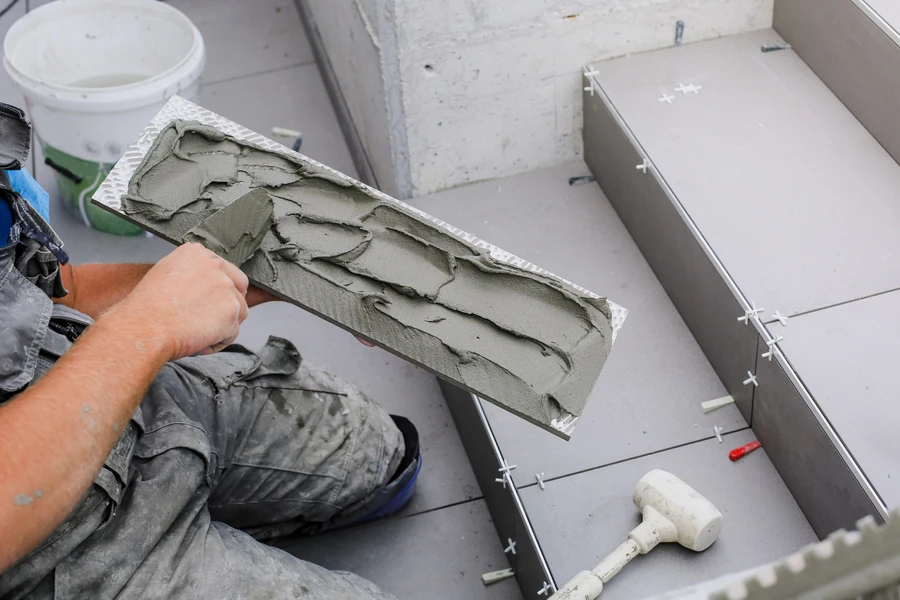
Tile damage usually happens because of moisture, impact, poor installation, or normal wear over time. Cracks, loose tiles, and stained grout are common signs. The fix depends on the cause. Some problems need a simple grout repair or tile replacement, while others may call for professional Tile Repair to fix deeper issues under the surface.
Quick Diagnosis Summary
If your tile is cracked, it was likely hit or placed over a weak surface. If tiles feel hollow or loose, the adhesive may have failed. If you see stains or mold, water has likely gotten under the tile. Finding the source is the first step before you try any fix.
Common Symptoms
Tile problems often start small. You might notice a tiny crack or a bit of loose grout. Over time, these issues grow.
- Cracked or chipped tiles
- Loose or moving tiles
- Grout that is missing or crumbling
- Dark stains or mold between tiles
- Tiles that sound hollow when tapped
These signs mean the surface is stressed or moisture is trapped below.
Likely Causes
There are a few main reasons tile gets damaged.
- Impact damage: Dropped tools or heavy objects can crack tile fast.
- Water damage: Leaks from showers, tubs, or sinks can weaken adhesive.
- Poor installation: Tiles need a clean, level surface to last.
- Foundation movement: Small shifts in your home can stress tile floors.
- Normal aging: Over time, grout dries out and adhesive weakens.
In bathrooms and kitchens, water is often the main problem. In living areas, movement under the floor is more common.
What to Check First
Before starting any repair, take a close look at the damaged area.
- Tap on nearby tiles to see if they sound hollow.
- Press gently to check for movement.
- Inspect grout lines for cracks or gaps.
- Look for signs of leaks under sinks or behind walls.
- Check if the subfloor feels soft or uneven.
If the issue is limited to one or two tiles and the surface underneath feels solid, you may be able to fix it yourself. If many tiles are loose or you find water damage, the problem may run deeper.
Safe Fixes Vs Pro-Level Fixes
Some tile problems are simple. Others need special tools and training.
Safe DIY fixes:
- Replacing a single cracked tile
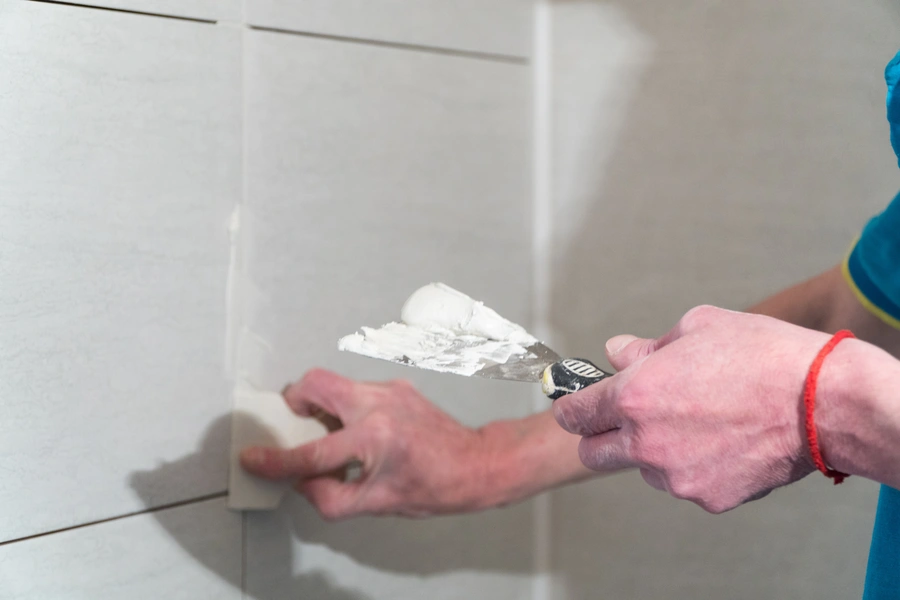
- Reapplying grout in small areas
- Sealing grout to prevent moisture
- Cleaning surface mold
Pro-level fixes:
- Repairing water-damaged subfloor
- Fixing widespread loose tiles
- Addressing structural movement
- Full shower or floor Tile Repair with membrane replacement
Trying to patch over a serious problem can lead to more damage later. For example, placing a new tile over a weak base will only lead to new cracks.
Prevention Tips
Tile can last for decades if it is cared for properly.
- Seal grout once a year in wet areas.
- Fix leaks as soon as you notice them.
- Avoid dropping heavy objects on tile floors.
- Use bath mats to reduce constant moisture.
- Clean with mild products, not harsh acids.
Regular checks help catch small issues before they spread. A minor grout crack is much easier to fix than a full floor replacement.
When to Call a Professional
If you see repeated cracks in the same area, large sections of loose tile, or signs of hidden water damage, it is time to call for help. Professional Tile Repair can fix the root cause, not just the surface. This gives you a longer-lasting result and protects the area underneath.
Get Reliable Help for Lasting Results
If you are dealing with damaged floors, showers, or backsplashes in San Leandro, CA, getting the right fix early can save time and money. At BeBe Flooring, we handle everything from small cracks to complete Tile Repair projects with care and attention to detail. Call (925) 492-6763 today to schedule an inspection and let us help protect your home with solid, long-lasting repairs.