Simple Methods Pros Use to Close and Repair Floor Board Gaps
Gaps in hardwood floors are usually fixed by cleaning the space, adjusting humidity, and then filling or securing the boards so they sit tight again. Small gaps may close on their own when indoor moisture levels rise. Larger gaps often need wood filler, slivers of matching wood, or board replacement as part of hardwood flooring repair. The right fix depends on the size of the gap and why it formed.
What You Need Before Starting
Before fixing gaps, gather a few basic tools and materials. The exact items depend on the repair method, but most jobs require:
- Vacuum or thin attachment hose
- Putty knife
- Wood filler that matches the floor
- Wood glue
- Thin wood slivers or strips
- Hammer and finishing nails
- Sandpaper
You should also check indoor humidity. Hardwood expands when the air is moist and shrinks when it is dry. If the air in your home is very dry, especially in winter, gaps may shrink once you add moisture with a humidifier.
Step-by-Step Process to Fix Floor Gaps
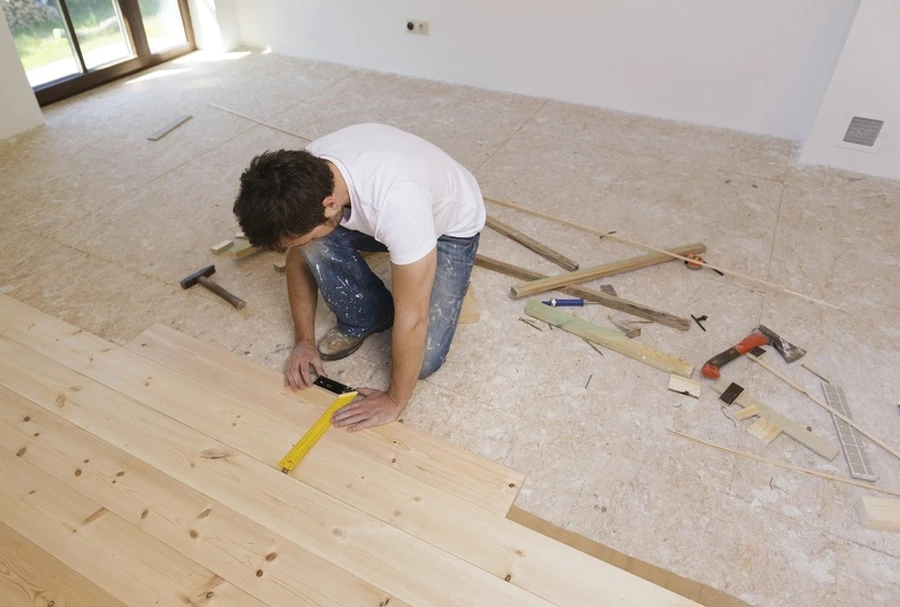
The repair steps vary based on gap size. Here is a simple breakdown used in many hardwood flooring repair projects.
- Clean the gap. Use a vacuum to remove dust and debris. This helps filler or glue stick properly.
- Check the humidity. If gaps are small and seasonal, try raising indoor humidity to 35 to 55 percent. Wait a few weeks to see if the boards close naturally.
- Fill small gaps. For thin cracks, press color-matched wood filler into the space with a putty knife. Smooth the surface and wipe away extra material.
- Insert wood slivers for wider gaps. Apply wood glue to a thin strip of matching wood. Tap it gently into the gap with a hammer. Let the glue dry fully.
- Trim and sand. Cut off any raised edges of the sliver. Sand the area until smooth and level with the rest of the floor.
- Refinish if needed. Apply stain or finish so the repair blends in with surrounding boards.
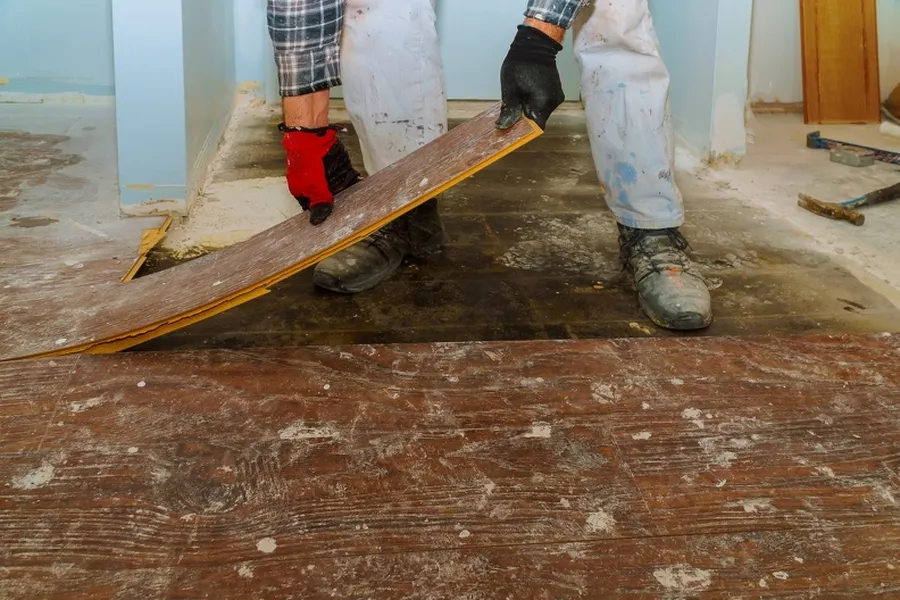
For very large gaps or loose boards, sections of flooring may need to be removed and reinstalled. That type of hardwood flooring repair takes skill and the right tools to avoid damage.
Common Mistakes to Avoid
DIY gap repair can go wrong if you rush or use the wrong materials. Here are mistakes homeowners often make:
- Using rope filler in long, visible gaps
- Filling seasonal gaps that will close later
- Choosing filler that does not match the wood color
- Skipping cleaning before applying glue or filler
- Ignoring moisture problems under the floor
One big mistake is fixing the symptom but not the cause. If gaps are caused by water damage, subfloor movement, or poor installation, surface filler will not last. Boards may continue to shift and reopen.
When to Call a Professional
Hairline cracks or minor seasonal gaps can often be handled by a handy homeowner. Larger problems need expert attention.
You should call a professional if:
- Gaps are wider than a nickel
- Boards feel loose or squeak when walked on
- There are signs of water staining
- The floor is buckling in other areas
- You plan to refinish the entire room
Professionals can inspect the subfloor, check moisture levels, and confirm if the boards were installed correctly. In some cases, sections must be removed and re-secured. This type of hardwood flooring repair helps protect the life of the entire floor.
Homes with crawl spaces or basements are more likely to have moisture swings that affect flooring. If gaps keep coming back year after year, it may point to a bigger climate control issue inside the home.
Final Recommendation and Support
If you see gaps forming in your floors in San Leandro, CA, acting early can prevent bigger damage. At BeBe Flooring, we handle hardwood flooring repair for homes with both minor cracks and major board movement. We check moisture levels, inspect the subfloor, and use repair methods that match your floor type. If you would like help or have questions about your floors, call us at (925) 492-6763 and we will be glad to help.