Signs Your Floors or Walls Need Attention Before Damage Spreads
If your tile looks cracked, loose, stained, or uneven, it may be time for tile repair. Small issues often start with minor chips or grout cracks. Over time, they can turn into loose tiles, water damage, or even mold. The key is spotting the warning signs early and checking what is happening under the surface before the problem grows.
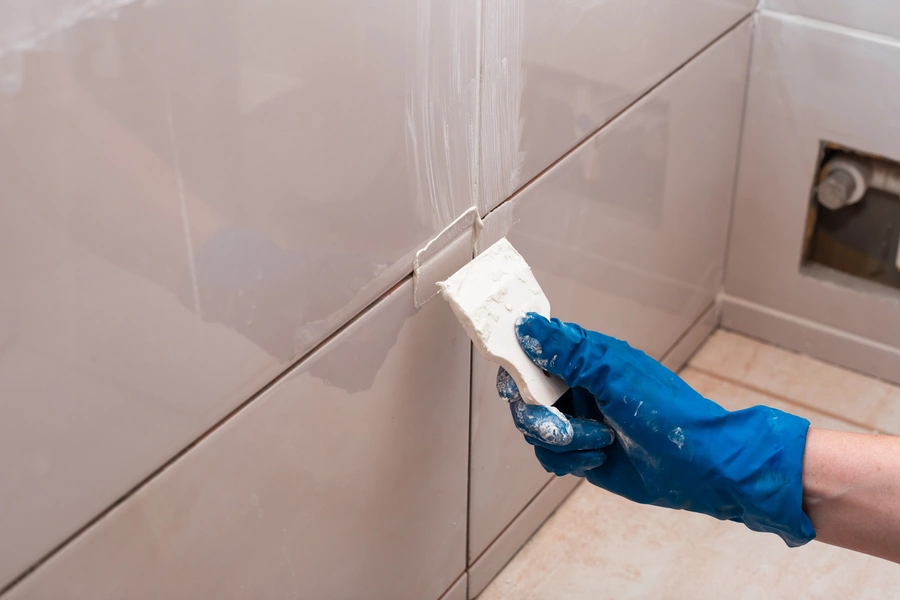
Common Symptoms of Tile Damage
Tile problems are not always obvious at first. Many homeowners notice something feels off before they see clear damage. Watch for these common signs:
- Cracked or chipped tiles
- Loose tiles that move when stepped on
- Hollow sounds when tapping the surface
- Missing or crumbling grout
- Water stains or dark spots
- Uneven tile edges
Bathroom and kitchen areas show signs faster because of moisture. Floors near entryways may also wear down quicker due to dirt and foot traffic.
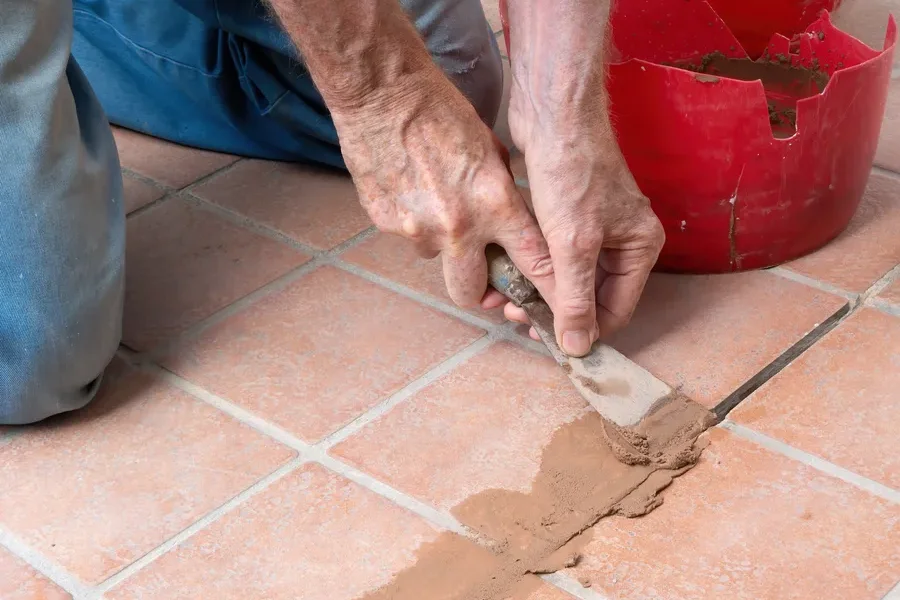
What Causes Tile Problems?
Most tile issues start below the surface. Poor installation is a common cause. If tiles were not set evenly or did not bond well, they may loosen over time.
Water damage is another major reason. In bathrooms, water can seep through cracked grout and weaken the adhesive underneath. In kitchens, spills that sit too long may slip through small gaps.
Foundation shifts can also lead to cracked tile. Homes naturally settle, but even small shifts can stress rigid tile surfaces. Heavy impact, like dropping a pan or moving furniture, may also chip or crack individual pieces.
In some cases, tile repair falls under a larger home improvement or remodeling service when damage affects wide areas.
What to Check First
Before calling for help, you can do a simple inspection. Walk across the tiled area slowly. Notice any movement or soft spots. Lightly tap tiles with a wooden handle. A hollow sound may mean the tile has separated from the base.
Look closely at grout lines. Cracks in grout can allow water to pass through. Also check for discoloration. Dark or stained grout may signal trapped moisture.
If you see just one cracked tile, the fix may be small. If several tiles are loose or uneven, the issue could be deeper.
Safe Fixes Vs Pro-Level Repairs
Some minor problems can be handled quickly. For example, small grout cracks can often be cleaned out and re-grouted. A single chipped tile may be replaced if you have a matching piece.
More serious problems need professional tile repair. These include:
- Multiple loose tiles
- Soft or rotting subfloor
- Signs of mold under tiles
- Large sections lifting or shifting
Trying to patch over major damage often leads to repeat issues. Fixing the root cause saves money long term.
How to Prevent Bigger Issues
Regular care goes a long way. Clean tiles often using mild cleaners. Avoid harsh chemicals that break down grout. Wipe up spills quickly, especially in wet areas.
Seal grout lines if they are not already sealed. This helps block water from soaking through. Use mats in high traffic areas to reduce wear. Add felt pads under heavy furniture to prevent cracks.
It also helps to inspect tile surfaces twice a year. Look for small cracks or loose edges. Catching early damage makes tile repair much easier.
When to Call for Professional Help
If you notice spreading cracks, repeated grout damage, or tiles lifting in several spots, it is time for professional help. Fast action stops moisture from reaching deeper layers of your floor or wall.
Homes in San Leandro, CA often deal with moisture and seasonal shifts that affect tile surfaces. If you are unsure whether the issue is small or structural, a trained team can inspect the area and suggest the right fix.
Get Reliable Help for Your Tile Surface
At BeBe Flooring, we help homeowners spot hidden damage and fix it before it spreads. If you are in San Leandro, CA and think you may need tile repair, call us at (925) 492-6763 so we can inspect the area and recommend the right solution for your home.